Short answer: if you laminate photographs, choose cold. If you laminate documents, covers and cards in volume, choose thermal. The rest of this guide explains why, and covers the cases in between.
How cold lamination works
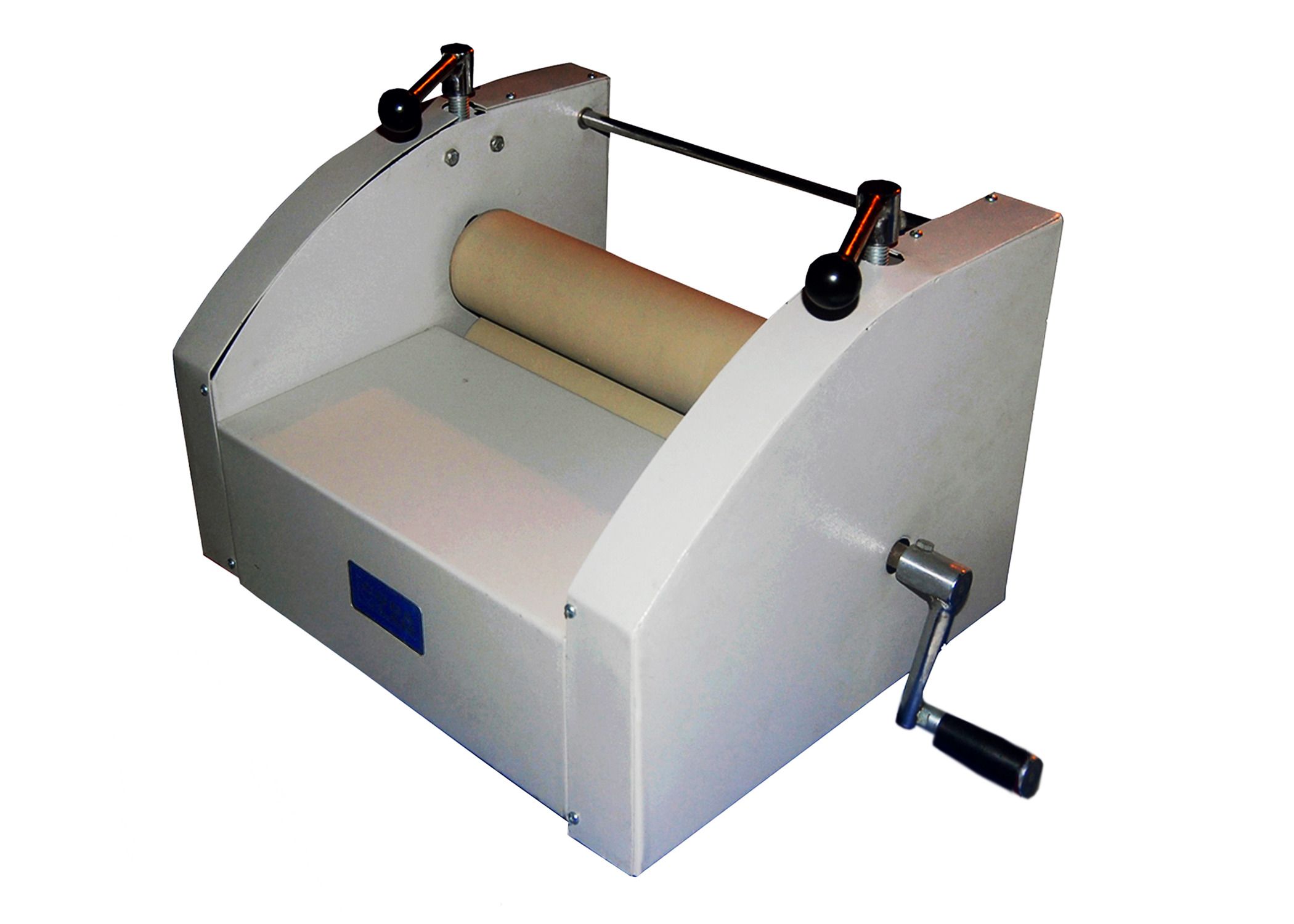
Cold lamination film has a pressure-sensitive adhesive protected by a release liner. The machine peels the liner and presses film onto the print between two rollers. No heat is involved at any point.
That matters for photographs. Photo paper and many inkjet prints react badly to heat: they can curl, bubble or shift in colour. Cold lamination avoids the problem entirely, which is why it is the standard in photo studios and album making.
How thermal lamination works
Thermal (hot) film carries an adhesive that melts when heated. The machine's heated rollers melt the adhesive and bond the film as the sheet passes through. Thermal film is generally cheaper per sheet and bonds very firmly to toner and offset prints.
Which one fits your work
| Your work | Choose | Why |
|---|---|---|
| Photo prints, enlargements | Cold | No heat damage to photo paper |
| Wedding album sheets | Cold | Safe on printed photo pages; works with album pasting |
| Posters and flex | Cold, wide format | Handles inkjet and wide rolls |
| Book covers, menus, brochures | Thermal | Fast, low film cost, strong bond on toner |
| ID cards, certificates | Thermal | Durable, tamper-resistant finish |
Three questions to settle it
What is the print? Photo paper or inkjet points to cold. Toner, offset or documents points to thermal.
How wide is your largest sheet? Buy a machine at least an inch or two wider than the widest sheet you handle today. Most studios choose 13 or 22 inches; poster and signage work needs 32 inches or more.
How many sheets a day? Manual cold laminators suit a few dozen sheets a day. For continuous work, look at heavier frames or powered models.
What about UV coating?
UV coating is a third option that uses no film at all. A liquid varnish is spread over the print and cured instantly under UV light. It gives a high gloss with no film edge, and is popular for photo prints, visiting cards and covers.